Login
Call Us



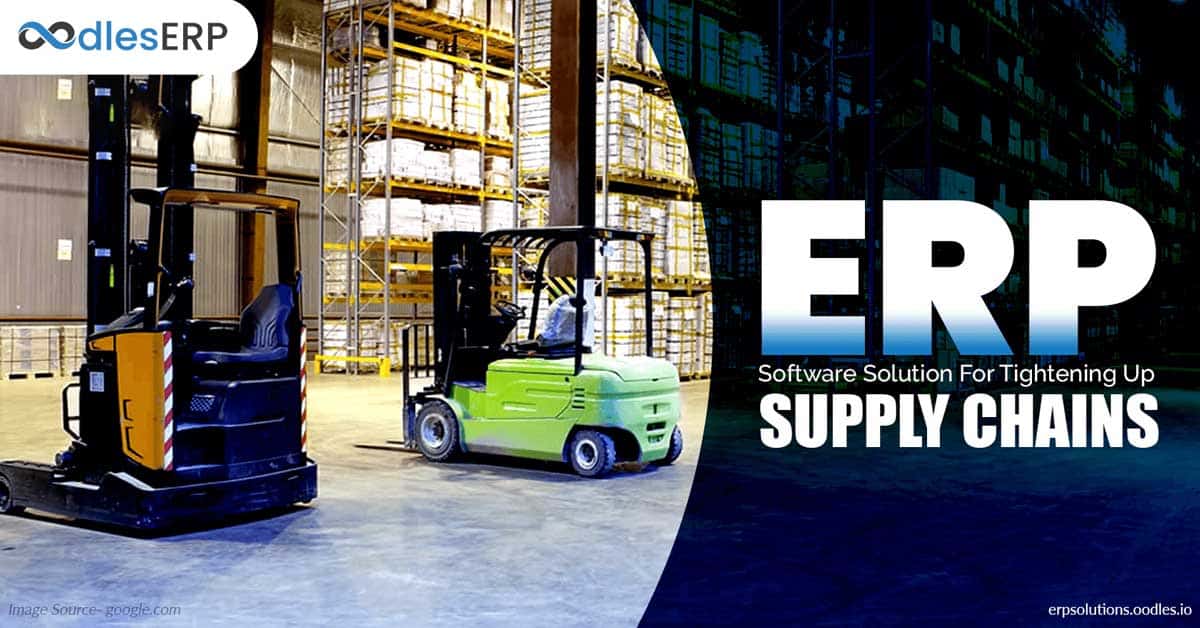
The global ERP solutions market continues to evolve rapidly as businesses accelerate digital transformation efforts. Latest industry trends highlight increased demand for cloud-based ERP, AI integration, and robust cybersecurity measures. Leading vendors are expanding offerings to support hybrid work environments and real-time analytics to improve operational efficiency and resilience.
The ERP (Enterprise Resource Planning) solutions sector is experiencing a period of intensified growth as organizations worldwide prioritize digital transformation and operational resilience. According to recent industry reports, investment in ERP technologies is rising as companies seek unified systems capable of managing finance, supply chain, human resources, and customer data under a single platform.
One of the most notable trends shaping the market is the continuing shift toward cloud-based ERP solutions. Cloud deployments now account for a significant portion of new ERP implementations, driven by the need for scalability, remote accessibility, and reduced dependency on in-house IT infrastructure. Analysts emphasize that cloud ERP not only lowers upfront costs but also enables faster updates and smoother integration with other enterprise systems.
Another key development is the integration of artificial intelligence and machine learning capabilities into ERP platforms. Vendors are embedding intelligent automation tools to help organizations streamline workflows, improve demand forecasting, and enhance decision-making processes. These AI-driven features are gaining traction particularly in manufacturing, retail, and logistics sectors, where real-time data insights can directly impact efficiency and profitability.
Cybersecurity remains a central priority in the ERP landscape, especially as systems consolidate critical business information. Providers are increasingly reinforcing security layers, introducing advanced threat detection and encryption protocols to protect sensitive data and ensure regulatory compliance. With hybrid work models becoming more widespread, secure remote access and identity management capabilities are now essential components of modern ERP deployments.
Market competition is also intensifying, with established players expanding offerings while startups introduce niche solutions tailored to specific industries. This dynamic has expanded the choices available to businesses of all sizes, from multinational corporations to mid-market firms and small enterprises exploring digital upgrades.
Looking ahead, industry experts predict sustained demand for ERP innovations that support agile business operations and real-time performance metrics. As organizations adapt to evolving market conditions and customer expectations, ERP solutions are expected to remain a core investment in enterprise technology strategies.