Login
Call Us



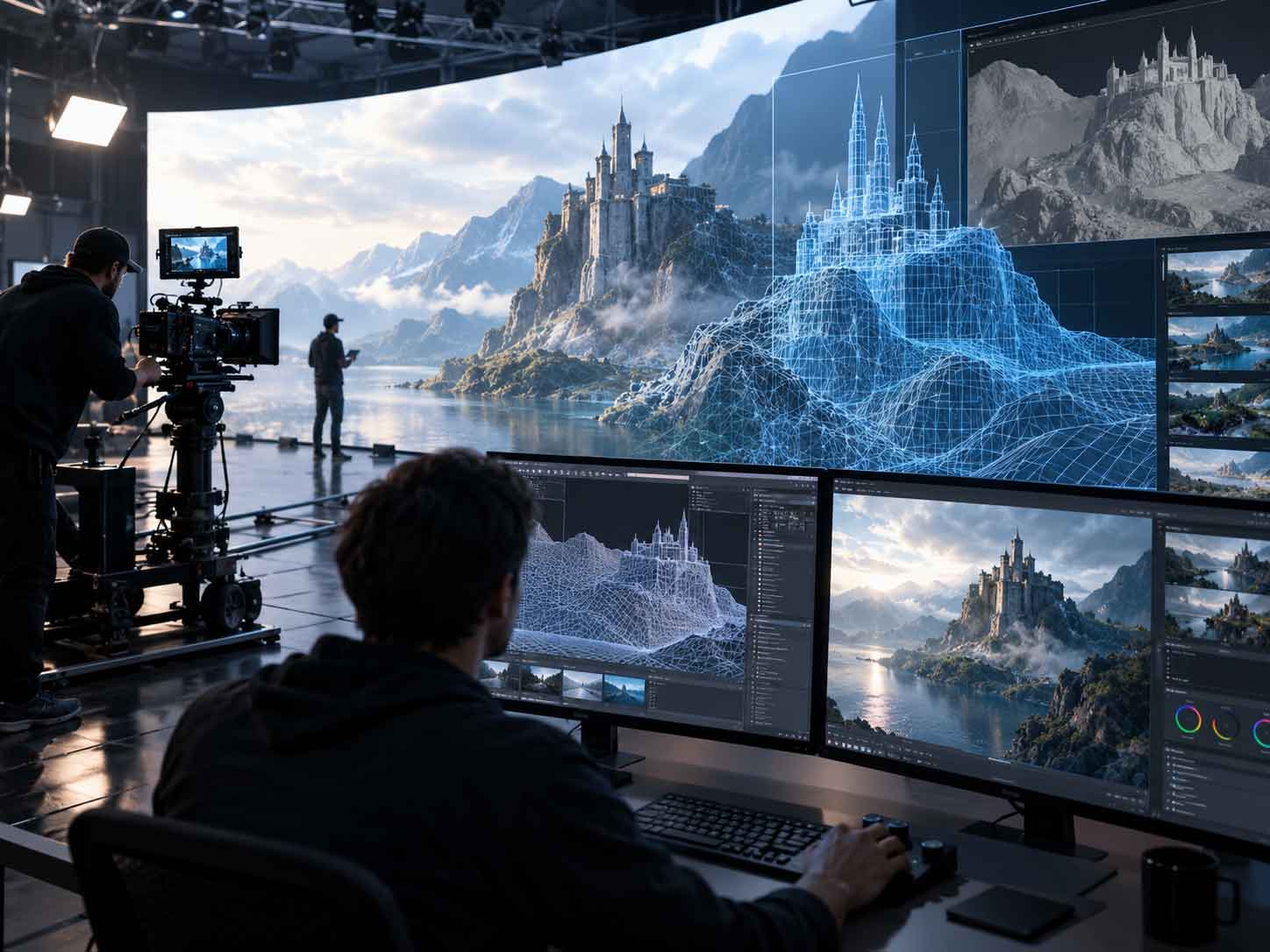
For decades, motion capture has been the backbone of digital performance. It gave virtual characters movement, weight, and physical realism. But as audiences become more perceptive and technology advances, movement alone is no longer enough. The future of digital performance lies in something far more complex — emotion capture.
Today, the industry is witnessing a fundamental shift: from capturing how characters move to understanding how they feel.
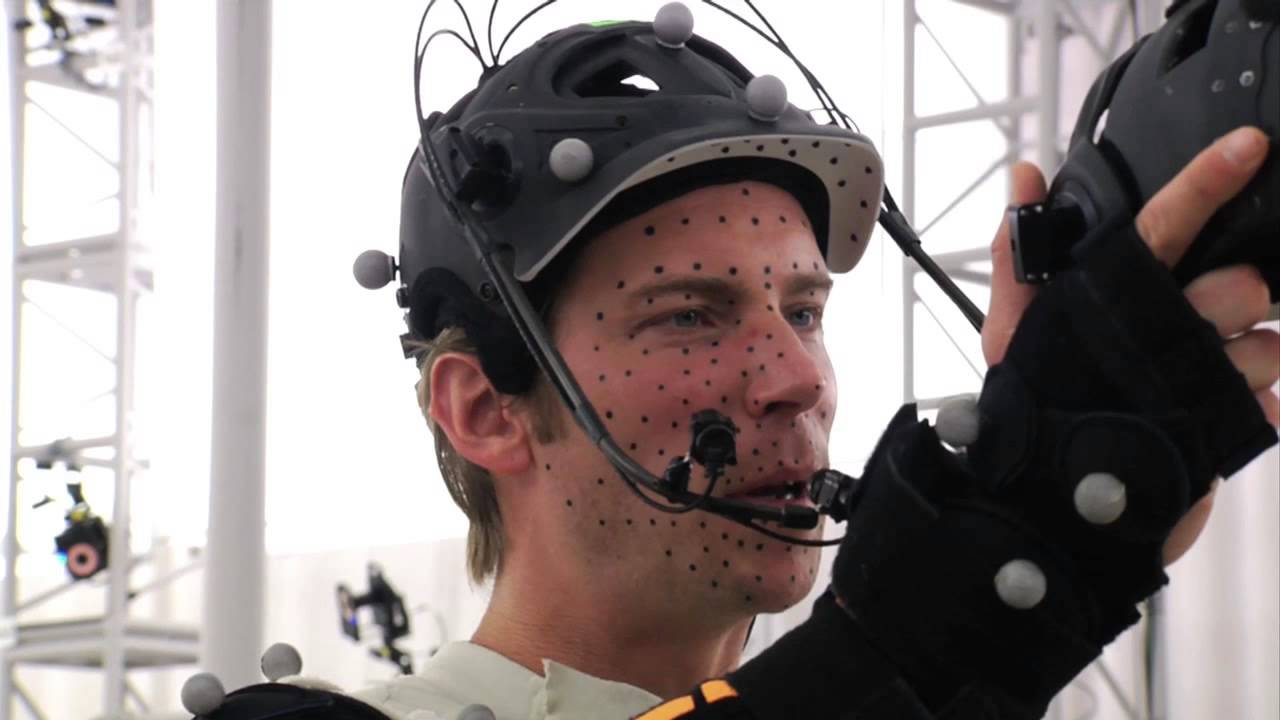
Traditional motion capture excels at recording physical actions — walking, running, gestures, and body dynamics. However, emotion does not live in movement alone. It exists in micro-expressions, subtle facial tension, vocal inflections, and timing.
As digital characters take on more prominent roles in film, gaming, advertising, and virtual environments, audiences expect more than visual accuracy. They expect believability — characters that react, hesitate, connect, and express intent naturally.
This is where the next evolution begins.
Emotion capture is the integration of artificial intelligence, facial analysis, behavioral data, and machine learning to interpret and reproduce emotional states in digital characters.
Unlike traditional performance capture, emotion capture focuses on:
By combining these elements, digital performances move beyond scripted animation and into adaptive, expressive behavior.
Artificial intelligence plays a central role in this transformation. Modern AI systems are capable of analyzing vast datasets of human expressions, speech patterns, and behavioral cues.
Machine learning models can now:
This allows digital characters to respond dynamically rather than following fixed animation paths.
Emotion capture does not replace actors — it expands their reach.
Performers can now transfer not only their movements, but also their emotional identity into digital form. This enables:
For directors and creators, this opens a new creative language where performance becomes scalable, adaptable, and platform-independent.
The impact of emotion capture extends far beyond entertainment.
In film and gaming, it enables deeper character immersion and narrative realism.
In XR and virtual worlds, it creates believable social presence and interaction.
In enterprise and training, emotionally responsive avatars improve learning outcomes and engagement.
In branding and communication, digital ambassadors can express authenticity and empathy at scale.
As emotional intelligence becomes a defining factor of digital interaction, emotion capture becomes a strategic advantage.
The evolution from motion capture to emotion capture represents a broader shift in digital creation — one that places humanity at the center of technology.
At Mascot Technologies, this convergence of CGI, AI, XR, and performance innovation defines the future of digital experiences. By blending technical precision with emotional realism, digital characters are no longer just visual constructs — they become expressive, responsive, and meaningful.
The next generation of digital performance is not just seen.
It is felt.